Cocopeat vs peat moss: what European growers actually compare
Coir pith is the closest working substitute for peat, but only the washed, low-EC grade belongs near seedlings. A buyer's comparison table without invented EC numbers.
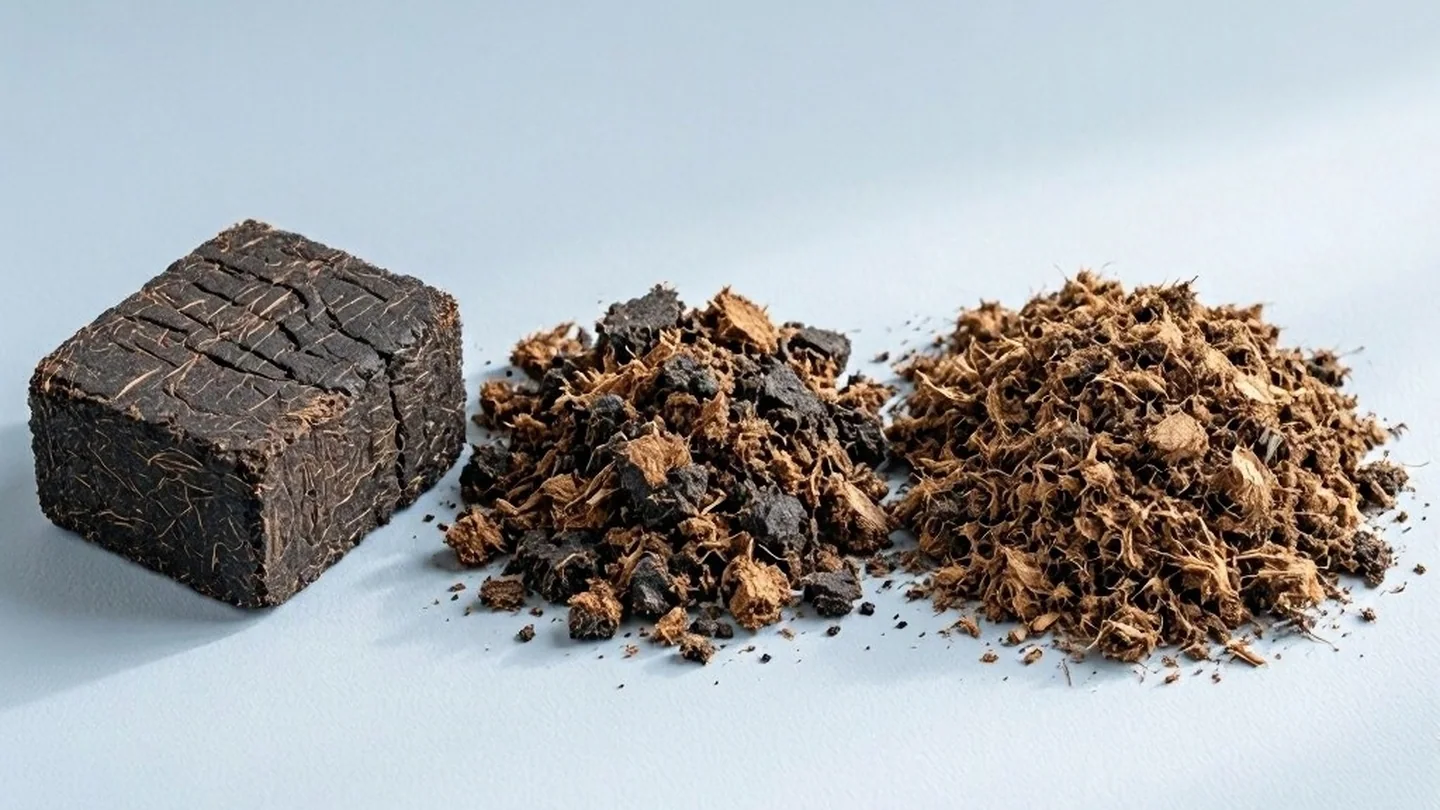
Cocopeat can replace peat moss in a growing mix, but only if the salt level is right for the crop stage. For seedlings and propagation, that means a washed, low-EC grade; for established plants or soil amendment, an unwashed grade can be acceptable and cheaper. The comparison that matters is therefore not "coir or peat" — it is which EC you are buying, and whether the seller can prove it.
We do not publish an EC figure on our cocopeat page yet, because it has not been confirmed against a supplier document. For a European grower, an unverified EC is worse than no number: the failure appears in the trays three weeks after the material has been paid for and shipped.
The comparison, without invented numbers
| Criterion | Peat moss | Coir pith (cocopeat) | What the grower should ask |
|---|---|---|---|
| Raw material | Partly decomposed bog vegetation | Coconut husk pith, a by-product | Is the source single-site or blended? |
| Renewability | Slow-forming resource | Agricultural by-product | What washing process was used? |
| Salt (EC) | Naturally low | Varies strongly with washing | Earliest sowing stage the lot supports |
| pH | Naturally acidic | Usually near neutral, moves with wash water | The measured batch value, not a range |
| Water holding | High | High; rewets readily once hydrated | Expansion yield per block |
| Consistency between lots | Depends on bog and blend | Depends on washing and screening | COA per lot, not once per contract |
| Freight | Sold by volume | Compressed blocks, volume-limited container | Litres of finished substrate per carton |
That last row is where a cheap block stops being cheap. If a 5 kg block expands to less volume than expected, the freight cost per litre of finished substrate rises. Ask for the expansion yield before comparing two offers per tonne.
Why European demand keeps growing
European growers have been moving away from peat for reasons that have little to do with price. Coir pith is the substitute that behaves most like it in the substrate, which is why demand from the Netherlands, Spain and Germany has grown faster than the supply of genuinely low-EC material.
That gap — demand growing faster than verified low-EC supply — is exactly why an EC claim needs a laboratory sheet behind it. A seller who says "washed" without a number has told you about a process, not a result.
Coir pith, cocofiber and chips are three different products
Buyers new to the category often put all three in the same basket:
- Cocopeat / coir pith is the fine pith used as the water-holding base of a substrate.
- Cocofiber is the long fibre, used in pots, geotextiles and nursery applications where structure matters more than water retention.
- Coco chips are the coarse fraction, blended into grow bags to keep air in the root zone.
A grow bag usually contains more than one of them. If you are importing for a greenhouse, ask for the intended mix rather than a single product — and remember that all three are limited by container volume, not weight, which is the opposite of charcoal. Our container loading guide explains why the two commodities behave differently in the same 20ft container.
Formats we can quote
| Format | Use | Note |
|---|---|---|
| 5 kg compressed block | Export standard, palletises predictably | Washed or unwashed, EC confirmed per order |
| 650 g brick | Smaller nursery and retail packs | Same material, different compression |
Both formats expand with water. The compression has to survive transit: a block that crumbles arrives as dust and disappears into the bottom of the container rather than into the growing mix.
What to send in the enquiry
Tell us the crop and the sowing stage, your EC ceiling, the pH band you work with, the format and the monthly volume. If you have a current specification from a European supplier, send it — matching a known grade is faster than designing one by email.
Read the cocopeat product page, or request a quotation with your EC ceiling and destination port.
Sources and data basis
- Formats, grading criteria and market context: our cocopeat product record, updated 17 November 2026.
- European growing-media demand context: Botanicoir, coir substrate supplier to commercial growers in over 70 countries and International Coconut Community market reviews.
- Container behaviour: coconut charcoal and cocopeat loading guide, based on our confirmed product records.
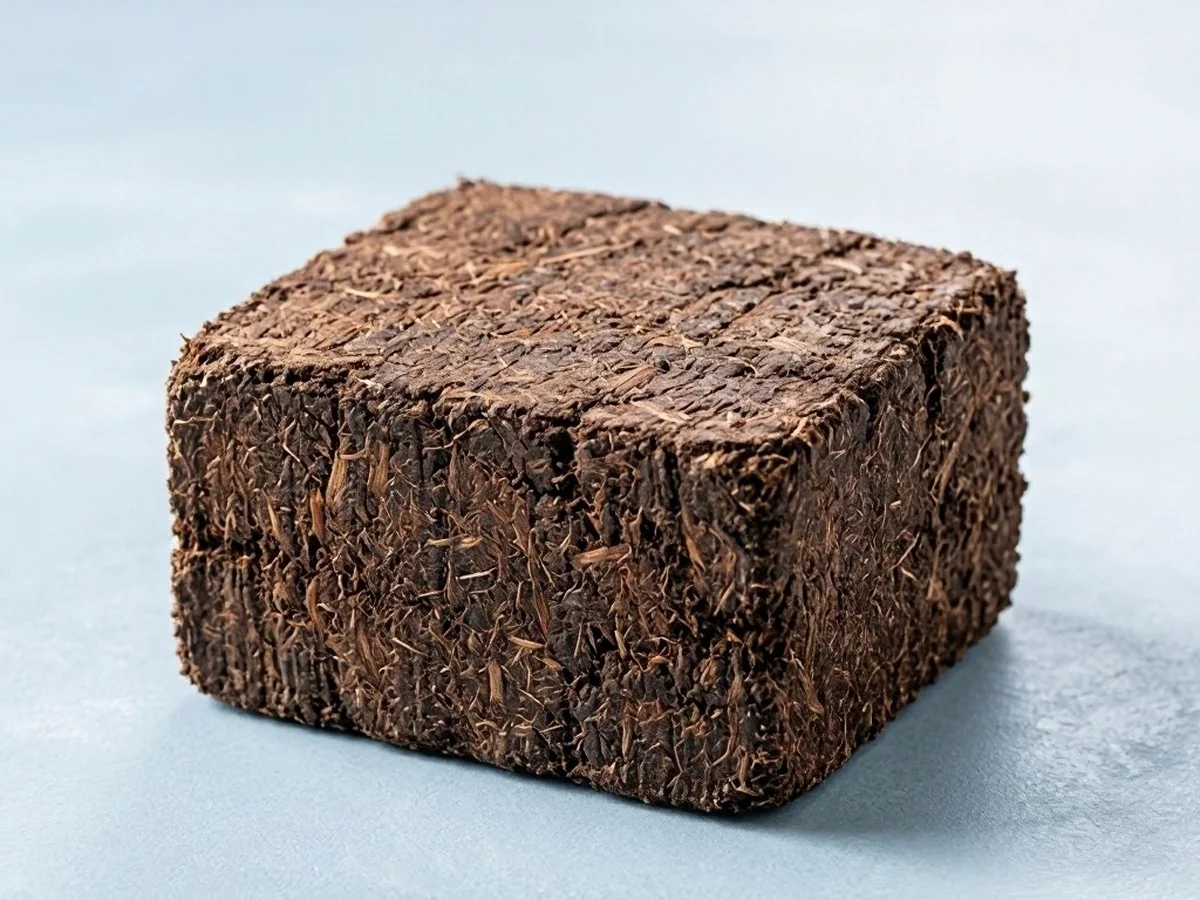
Cocopeat
EC and pH decide it. A high-salt block burns a seedling before it roots.
Spec sheet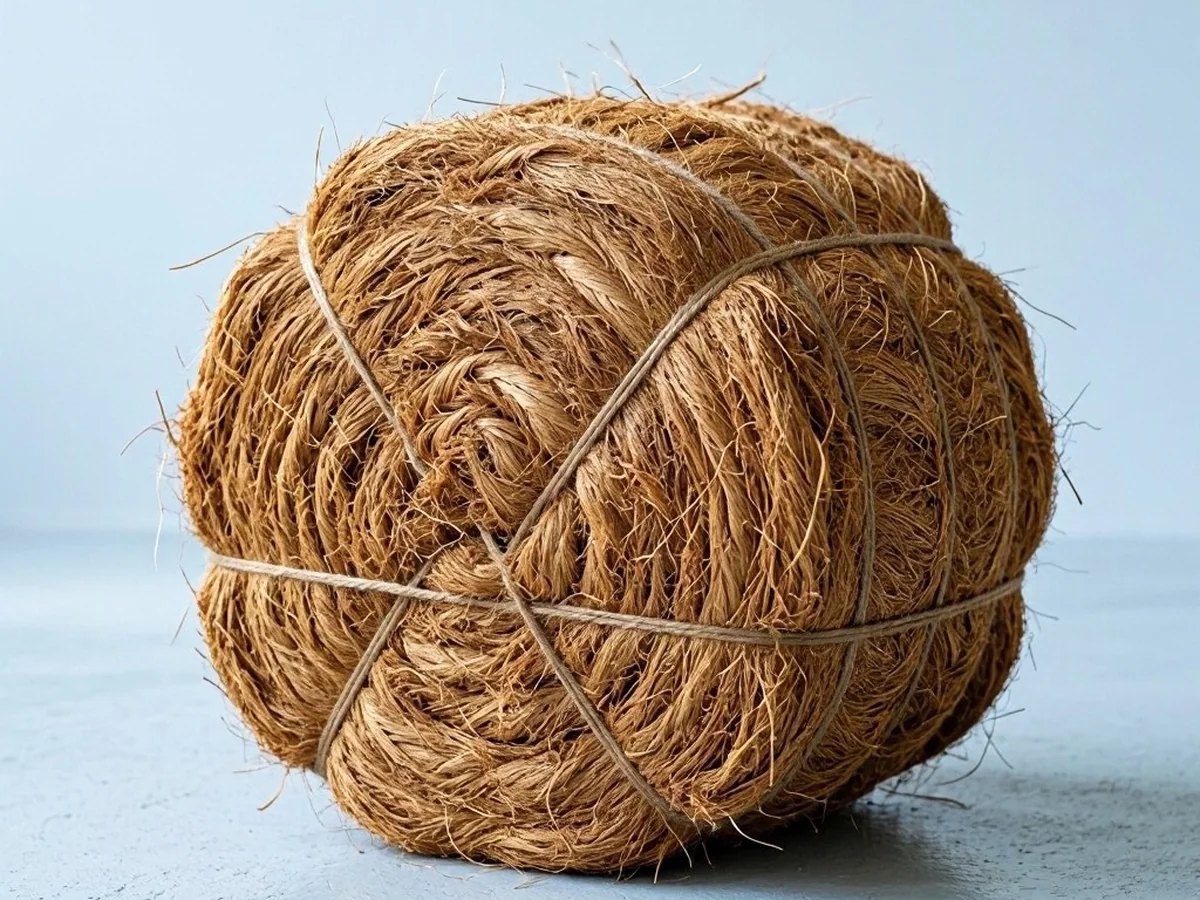
Cocofiber
Fibre length and pith content decide it, and both are visible in the bale rather than on a certificate.
Spec sheet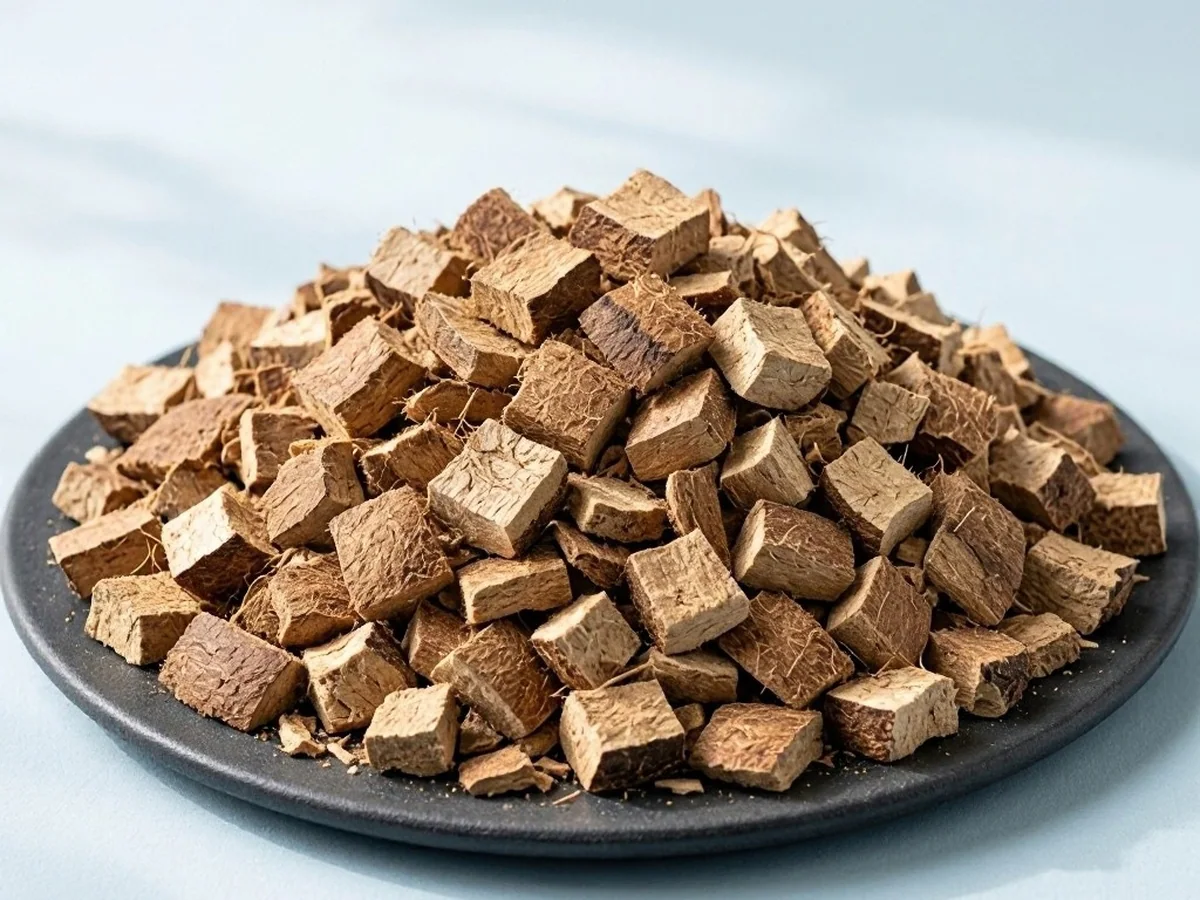
Coco Chips
Chip size uniformity and moisture decide it, because the chips are a mulch and a substrate at once.
Spec sheetHookah charcoal wholesale: what US distributors check before a container
American buyers search "hookah", not "shisha". Here are the four checks that decide a repeat order, the five shapes we can mould, and how many tonnes fit in one container.