Cocopeat
Washed and unwashed cocopeat in 5 kg blocks and 650 g bricks, loading from Surabaya.
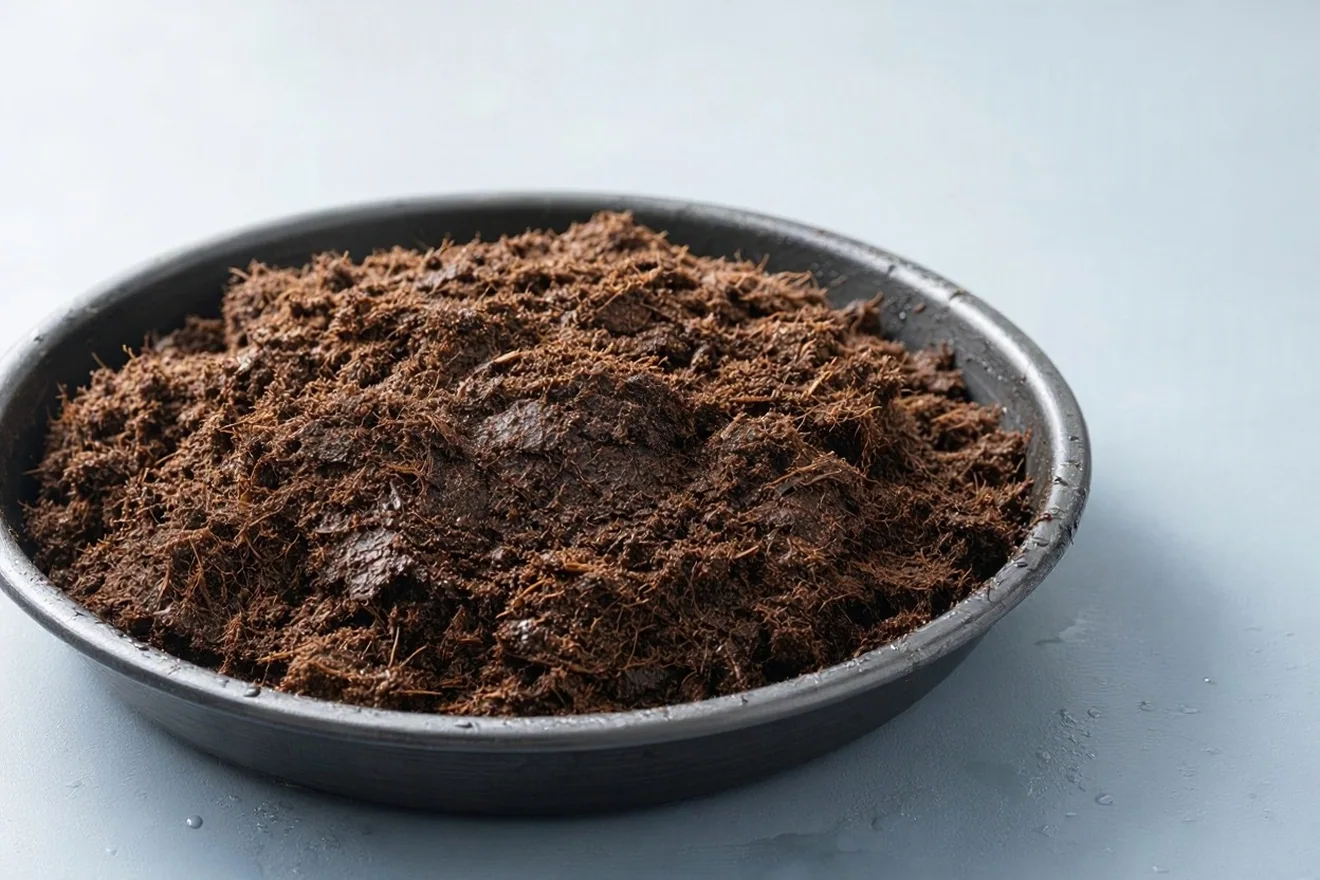
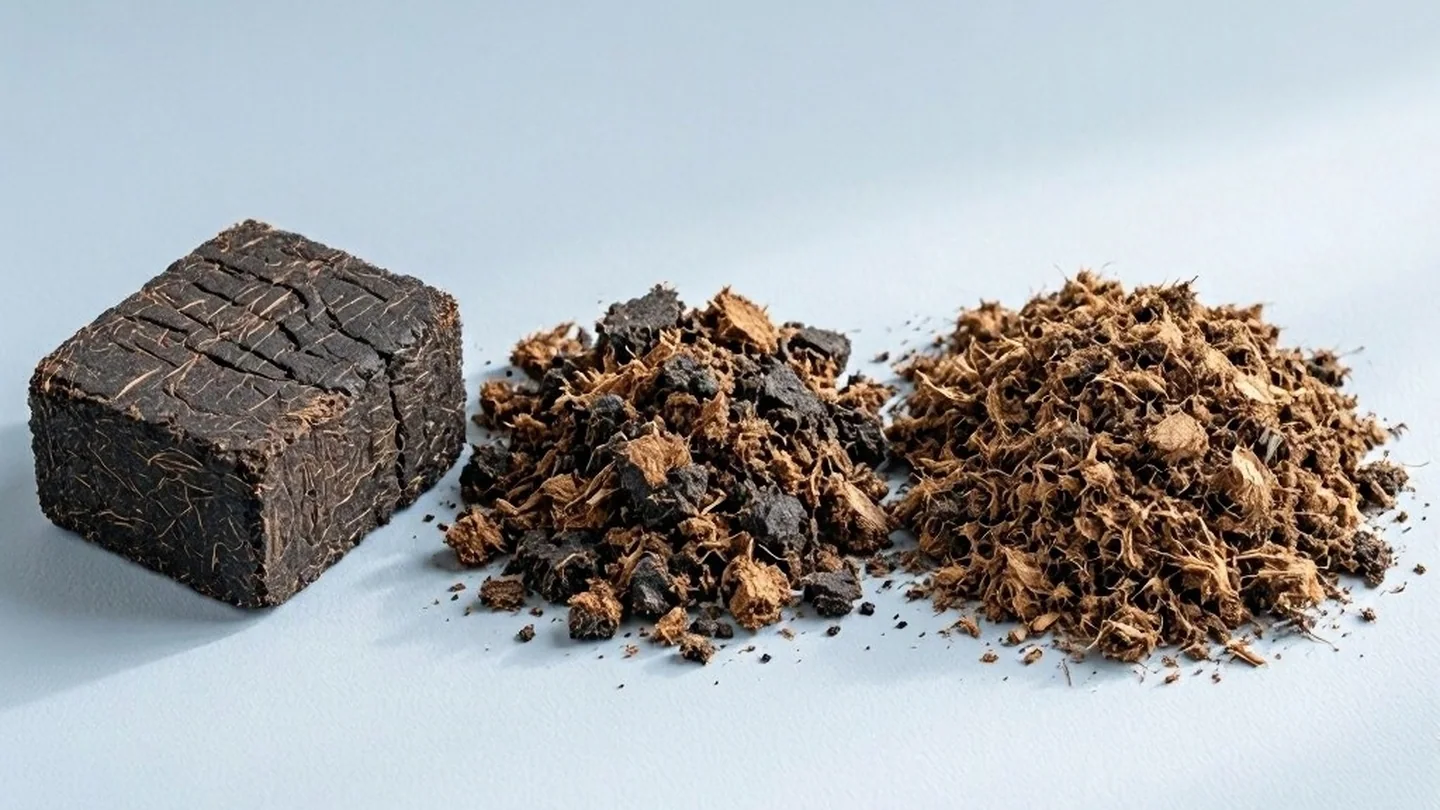
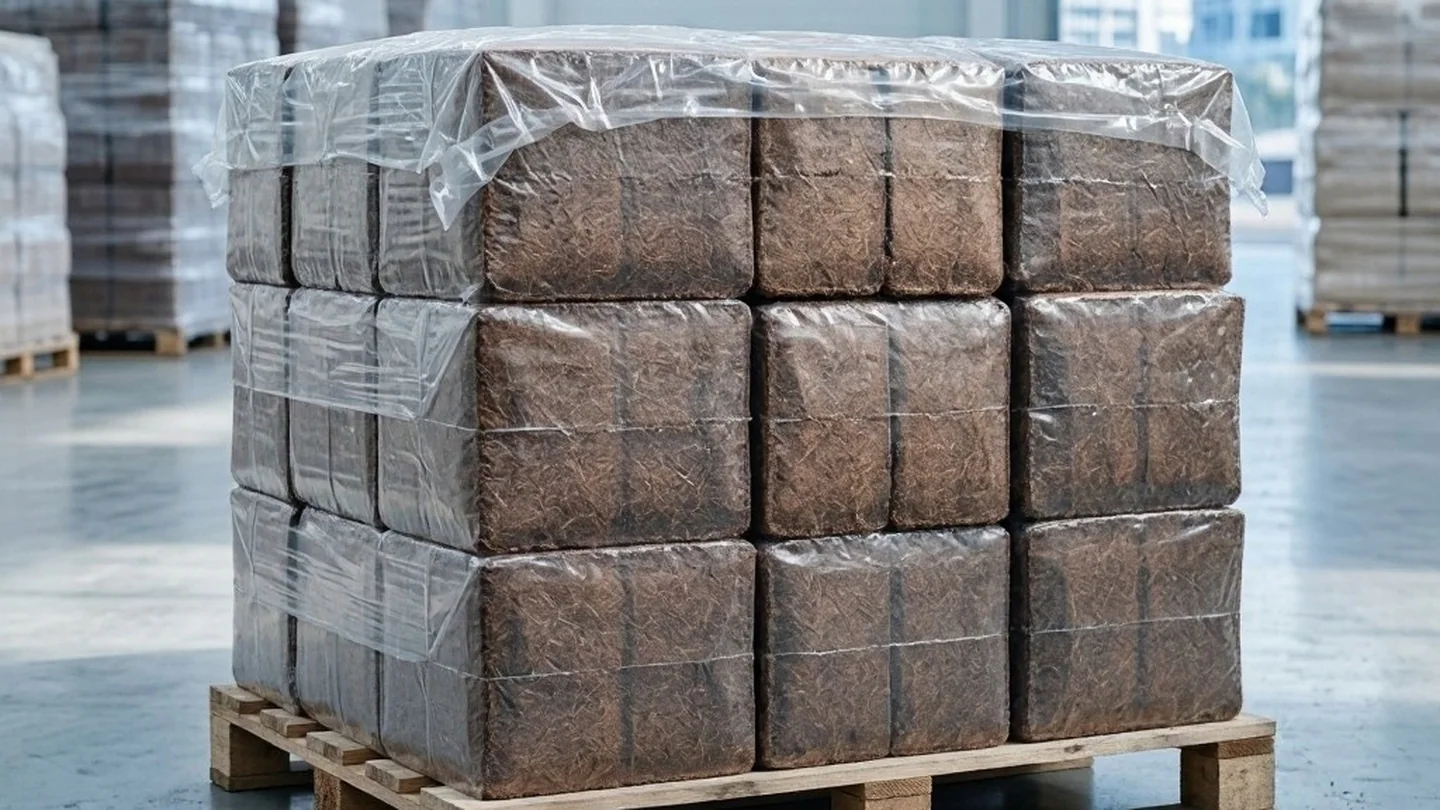
Cocopeat — coir pith — in compressed 5 kg blocks and 650 g bricks, loading from Surabaya. Sold washed or unwashed depending on the crop and the market.
There are no figures on this page because the two numbers that matter most are not yet confirmed against a supplier document. For cocopeat that is a real problem: EC and pH decide whether the material can be used for seedlings at all, and a grower who buys on price alone finds out three weeks later when the trays fail.
What actually decides the grade
EC (dS/m). The salt load left in the pith after washing. Low EC is what propagation needs. High EC is cheaper and only suitable for established plants or for blending.
pH. Usually in a narrow band, but it moves with the washing water and the age of the stock.
Expansion. A 5 kg block yields a predictable volume of loose material. If the yield is lower than expected, the freight per litre of finished substrate goes up, and that is where a cheap block stops being cheap.
Compression. A block that crumbles in transit arrives as dust.
Coir pith and the European peat phase-out
European growers have been moving away from peat for reasons that have nothing to do with price. Coir pith is the substitute that behaves most like it, which is why demand from the Netherlands, Spain and Germany has grown faster than supply of genuinely low-EC material.
That is the market this product is aimed at. It is also why we will not publish an EC figure we have not tested.
Formats
5 kg block, 650 g brick. Both compress the same material; the block is the export standard. Loading is limited by volume rather than weight, which is the opposite of charcoal — a container of cocopeat fills long before it reaches the weight limit.
Hydroponic substrate
Loose or slab format for drip systems, where EC decides whether the crop starts clean.
Nursery and seedling mixes
Low-EC grades blended with perlite or vermiculite for propagation.
Soil amendment
Coarse grade worked into field soil to raise water holding capacity.
Block and brick export
Compressed 5 kg blocks and 650 g bricks, the two formats most growers import.
Packaging format confirmed with your quotation.
Loading from Surabaya.
Loading weight is confirmed per order, because it depends on packaging and on whether the container is mixed.
The document set is confirmed with your quotation. Charcoal shipments always carry a Dangerous Goods Declaration and MSDS, because charcoal moves as UN 1361, Class 4.2.
What is the difference between cocopeat and coir pith?
Why is EC not listed on this page?
Is the material washed?
What formats are available?
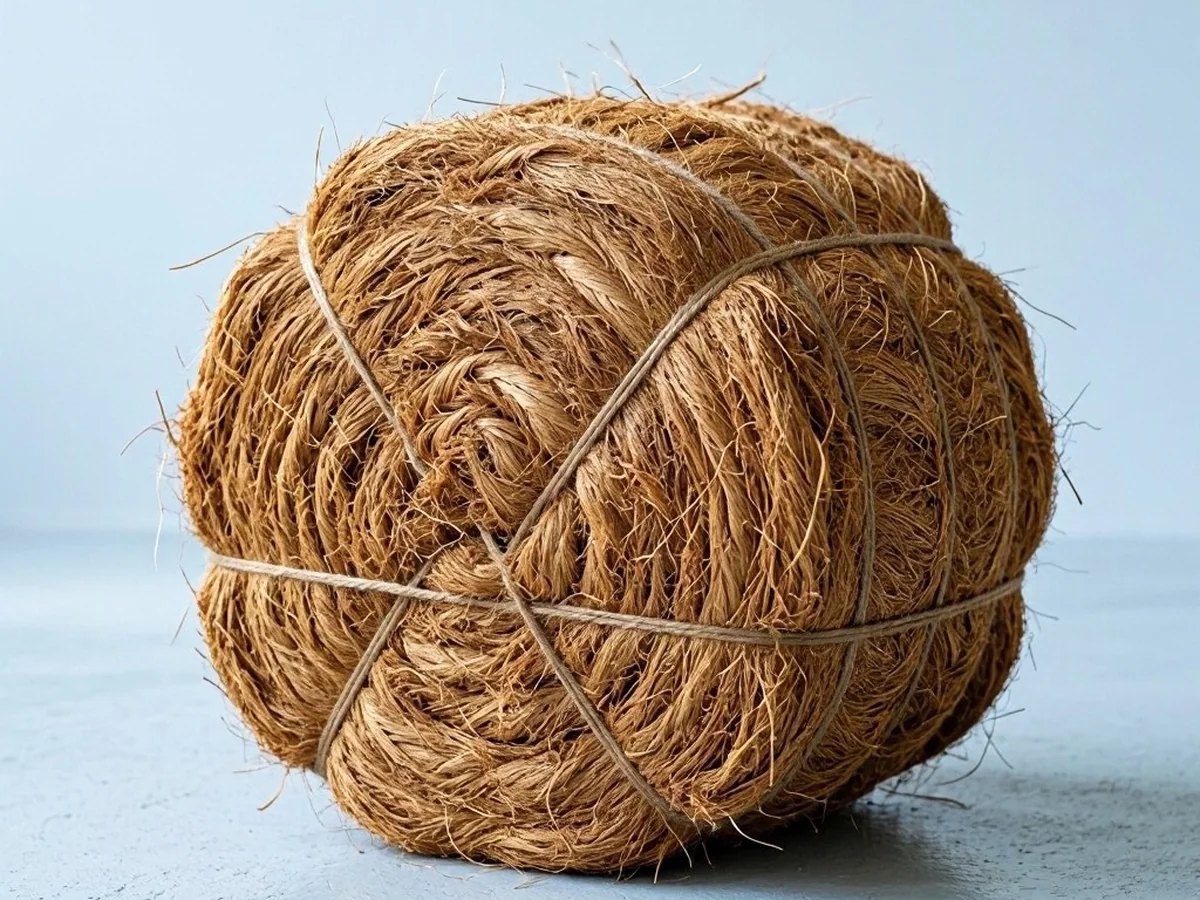
Cocofiber
Fibre length and pith content decide it, and both are visible in the bale rather than on a certificate.
Spec sheet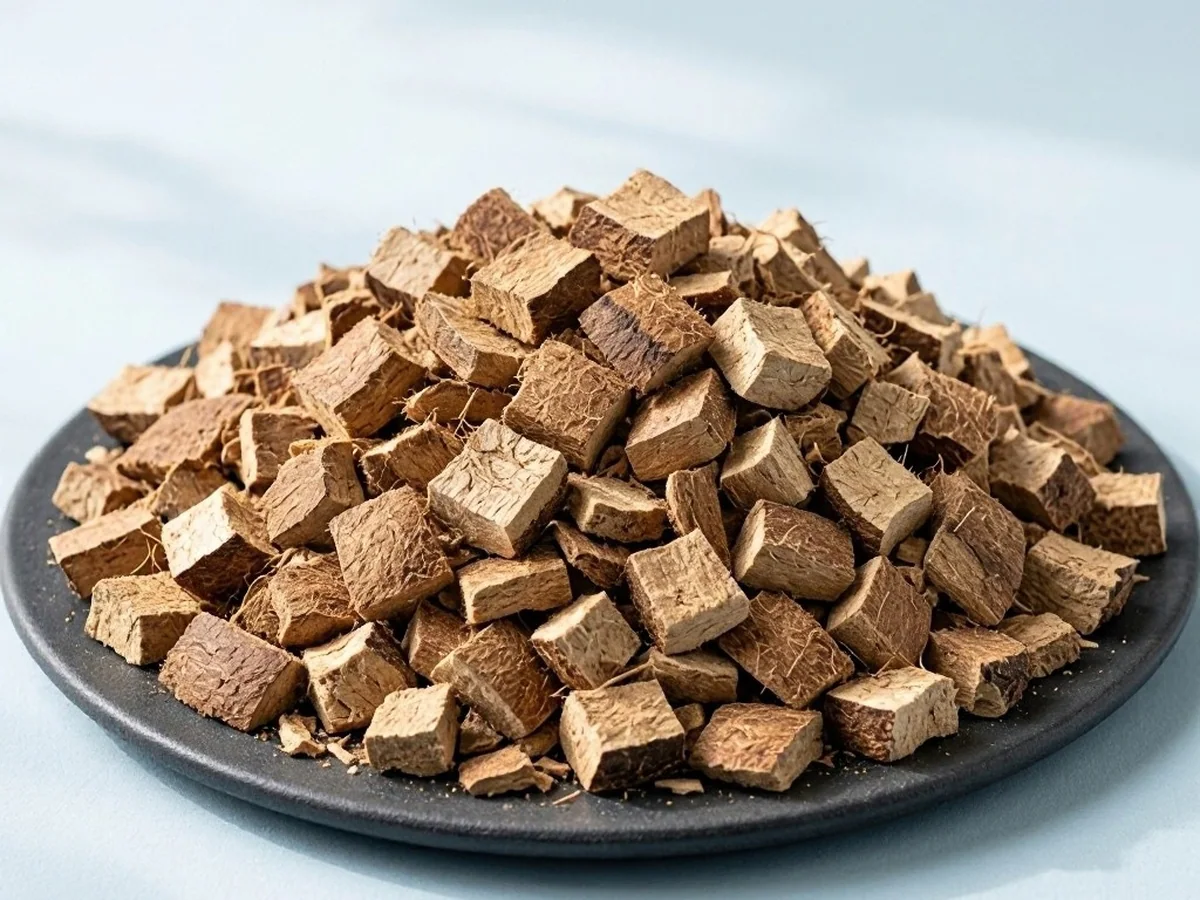
Coco Chips
Chip size uniformity and moisture decide it, because the chips are a mulch and a substrate at once.
Spec sheet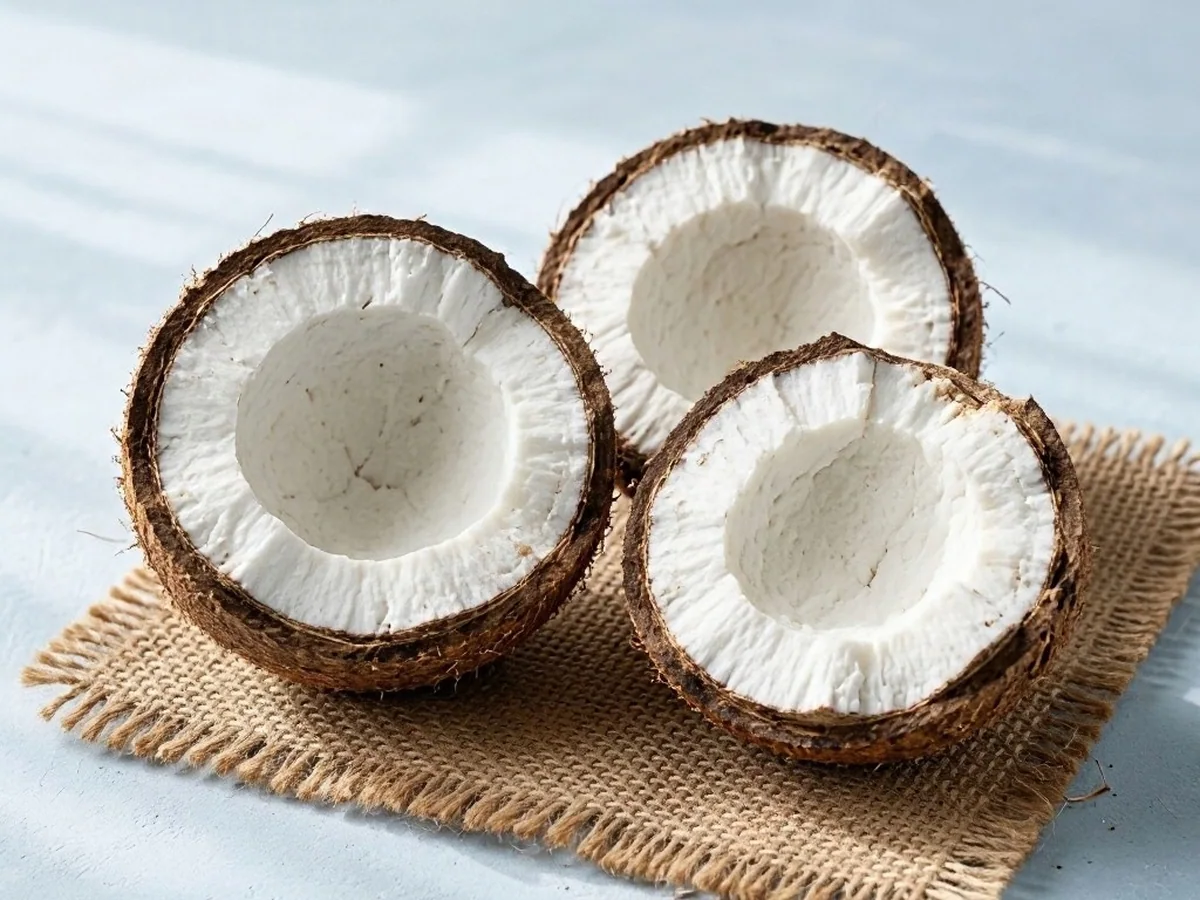
Copra
Moisture and free fatty acid decide it. FFA rises in transit, so drying is the only real control.
Spec sheetTell us your spec and volume
Send the grade, the quantity and the destination port. We reply with an FOB quote and the current COA.