Four steps between your enquiry and a booked container
We are an export desk, not a mill. That shapes every step below: the work is matching a lot to your specification and proving it, not running a production line.
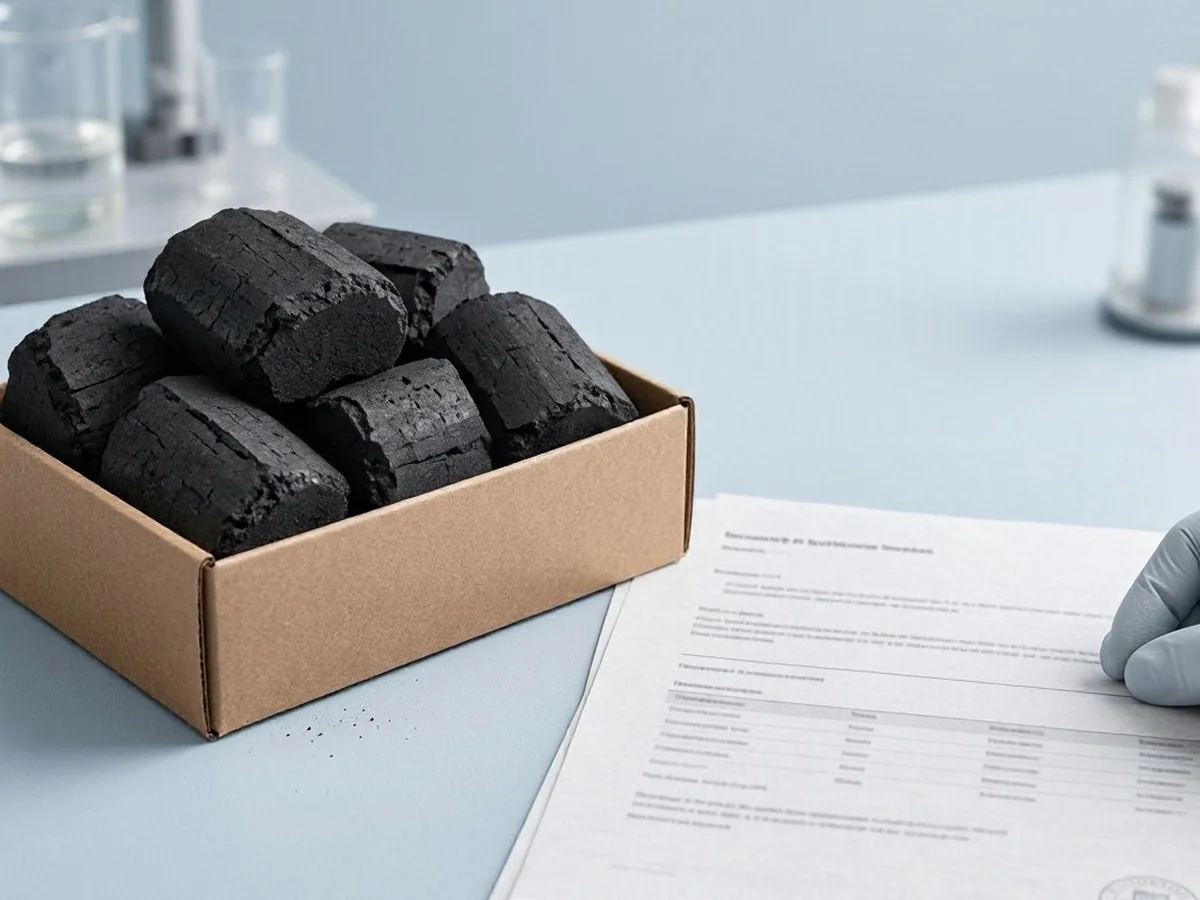
AI placeholder for preview · not a supplier photograph
01
Request
You send the product, the specification and the volume.
Most enquiries arrive as a sentence: a product, a quantity, a destination port. That is enough to start. If you already have a specification sheet from your current supplier, send it instead of describing the grade — matching an existing sheet is faster and removes the guesswork.
We answer with what a mill can actually run this month, not with a catalogue. If the grade you asked for is not available, you will hear that in the first reply.
02
Sourcing and sampling
The lot is matched to a mill in our network, and a sample goes out.
We work with mills across Java and Sumatra rather than holding stock ourselves. That is a deliberate choice: one desk can cover eleven products without pretending to own eleven factories.
The sample travels with the batch COA. Sample freight is at the buyer's cost and credited against the first order, which keeps both sides honest about who is serious.
03
Verification
Specification is tested before the container is booked.
For charcoal, the specification is measured on as-received basis by SUCOFINDO against ASTM D1762. Moisture, ash, volatile matter and fixed carbon come from one sample, so the numbers are internally consistent rather than collected from four different documents.
This is the step that decides whether a shipment happens. A lot that fails the buyer's ceiling does not become a discount lot.
04
Shipment
Documents are issued per shipment and the container leaves from Surabaya.
Charcoal moves as UN 1361, Class 4.2. Every shipment carries a Dangerous Goods Declaration and an MSDS, and a fumigation certificate where the destination asks for one. Some shipping lines also require a self-heating test before they accept the booking; we arrange it when the route needs it.
Original bills of lading or telex release are issued after full payment. Loading ports are Surabaya, Jakarta and Belawan depending on the product and the mill.
What we do not do
We do not hold stock of every grade, we do not own the mills, and we will not publish a specification we cannot point to a document for. When a line is pending, the page says so instead of filling the table with an industry average.
What that buys you
One contact for eleven products, a specification that survives your own laboratory, and documents that clear customs without a second round of emails. The trade-off is honesty about availability, which is a better problem than a container that fails on arrival.
Start here
Send the product, the spec and the port
Three lines are enough for a first reply. PT Agrivest Global Group issues the quotation; the export desk answers it.