How many tons of coconut charcoal fit in a 20ft container?
Charcoal fills a container by weight long before it fills it by volume. The numbers per product, and why cocopeat behaves in the opposite way.
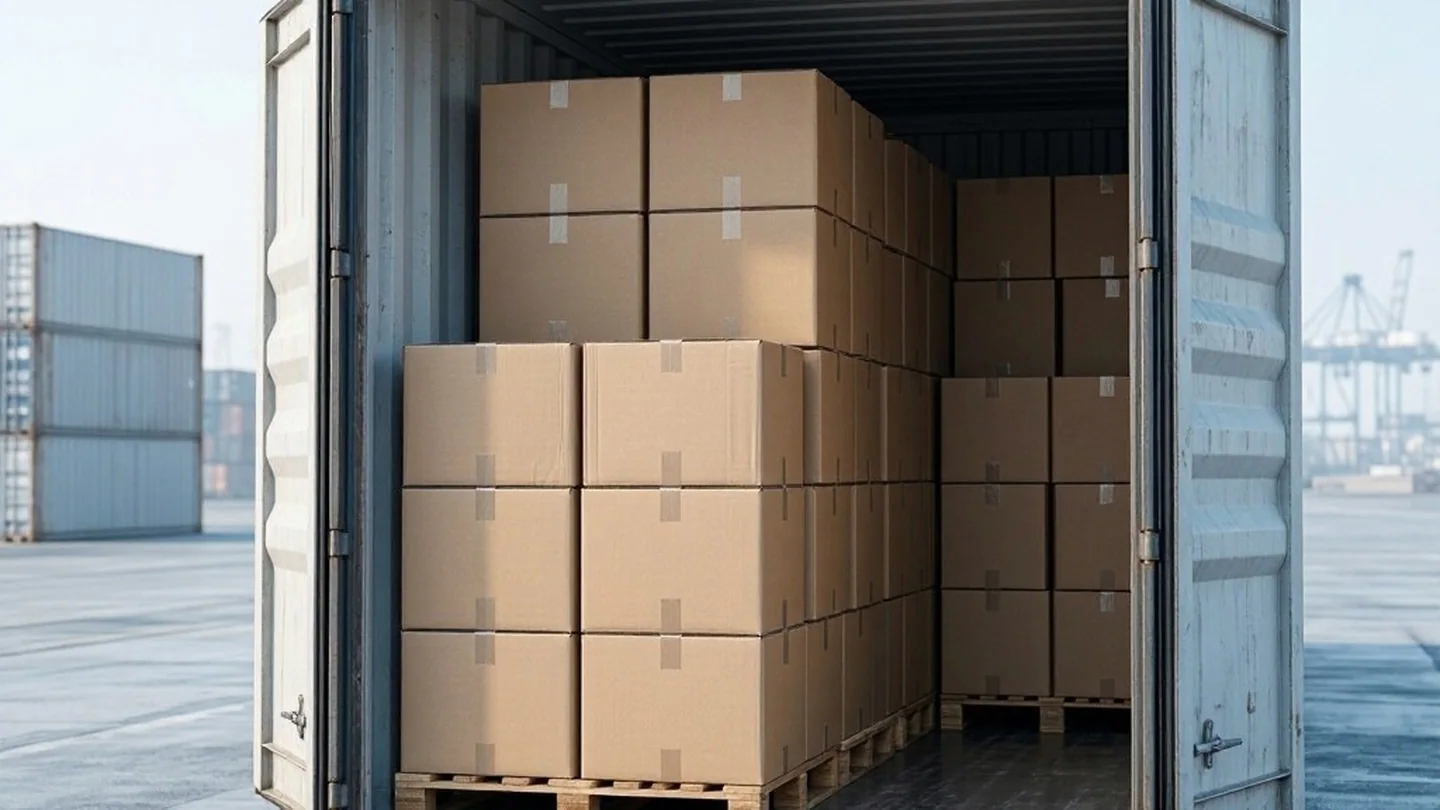
A 20ft container holds roughly 17 to 18 tons of coconut shell charcoal. A 40ft high cube holds about 25 tons of briquettes. The container is not full when it reaches those weights, and that is the part first-time buyers usually miss.
Charcoal is dense. The payload limit is reached before the floor space is used, so adding a bigger container does not scale the way it does for lighter cargo.
Loading weights we can confirm
| Product | 20ft FCL | 40ft HC | Limit |
|---|---|---|---|
| Shisha briquette | 17 MT | 25 MT | Weight |
| Coconut shell charcoal, lump | 18 MT minimum | not confirmed | Weight |
| Cocopeat | per order | per order | Volume |
| Cocofiber | per order | per order | Volume |
| Coco chips | per order | per order | Volume |
Only figures confirmed against a supplier document are listed. A dash or "per order" means we have not verified the number, not that the container cannot be loaded. The two charcoal lines above come from offering documents, which is why they carry figures.
Why charcoal is weight-limited
Coconut shell charcoal sits somewhere around a quarter of the density of water in bulk. A 20ft container's internal volume is close to 33 cubic metres, but the road and vessel payload limit for that box is what stops the loading, and it is reached with the container perhaps two-thirds full by volume.
Two consequences follow.
The first is that packaging matters more than it looks. A retail boxed briquette packs less densely than bulk sacks, so the same container carries fewer tons when the product is boxed for consumers. That is a real cost, and it belongs in the price comparison.
The second is that a 40ft high cube does not carry twice a 20ft. The extra height helps, but the weight ceiling binds first. For briquettes the figure is 25 MT against 17 MT, which is an increase of roughly half rather than double.
Why cocopeat is the opposite
Compressed cocopeat blocks and coco chips are light. A container of cocopeat fills by volume long before it approaches the payload limit, so the useful unit is cubic metres rather than tons.
This is why a per-ton price comparison between charcoal and cocopeat is meaningless, and why freight per ton of cocopeat is so much higher than freight per ton of charcoal. The cargo is paying for space, not for weight.
How to calculate your own load
Four steps, in this order:
- Ask for the loading weight per container in writing, not the container size.
- Confirm the packaging, because boxed product loads lighter than bulk.
- Confirm whether the container is mixed. Mixed shapes or grades usually reduce the total.
- Check the destination's road weight limit. Some countries restrict the truck more tightly than the vessel restricts the container.
If a supplier quotes "25 tons in a 20ft" for charcoal, one of two things is true: the product is not charcoal, or the number is not real. Ask for the last three bills of lading for that route.
What this means for your first order
A minimum order of one 20ft container is standard for charcoal, and it is a commercial minimum rather than a physical one. A buyer testing a new grade may not want 17 tons, which is exactly why sample orders exist.
For the specification side of the same decision, the shisha briquette page carries a complete test report, and coconut shell charcoal covers the lump grade. If you are still working out what the price per ton should look like, what moves the number is the companion piece.
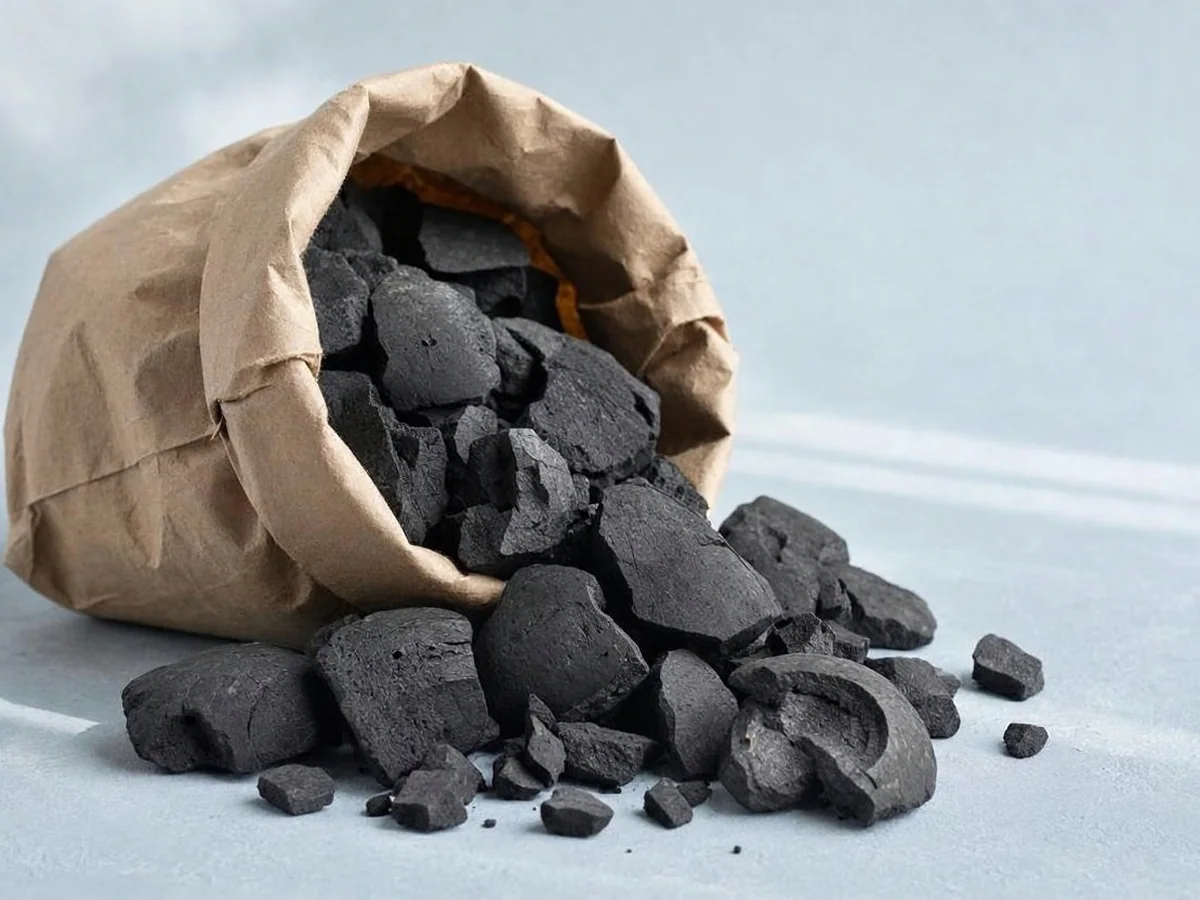
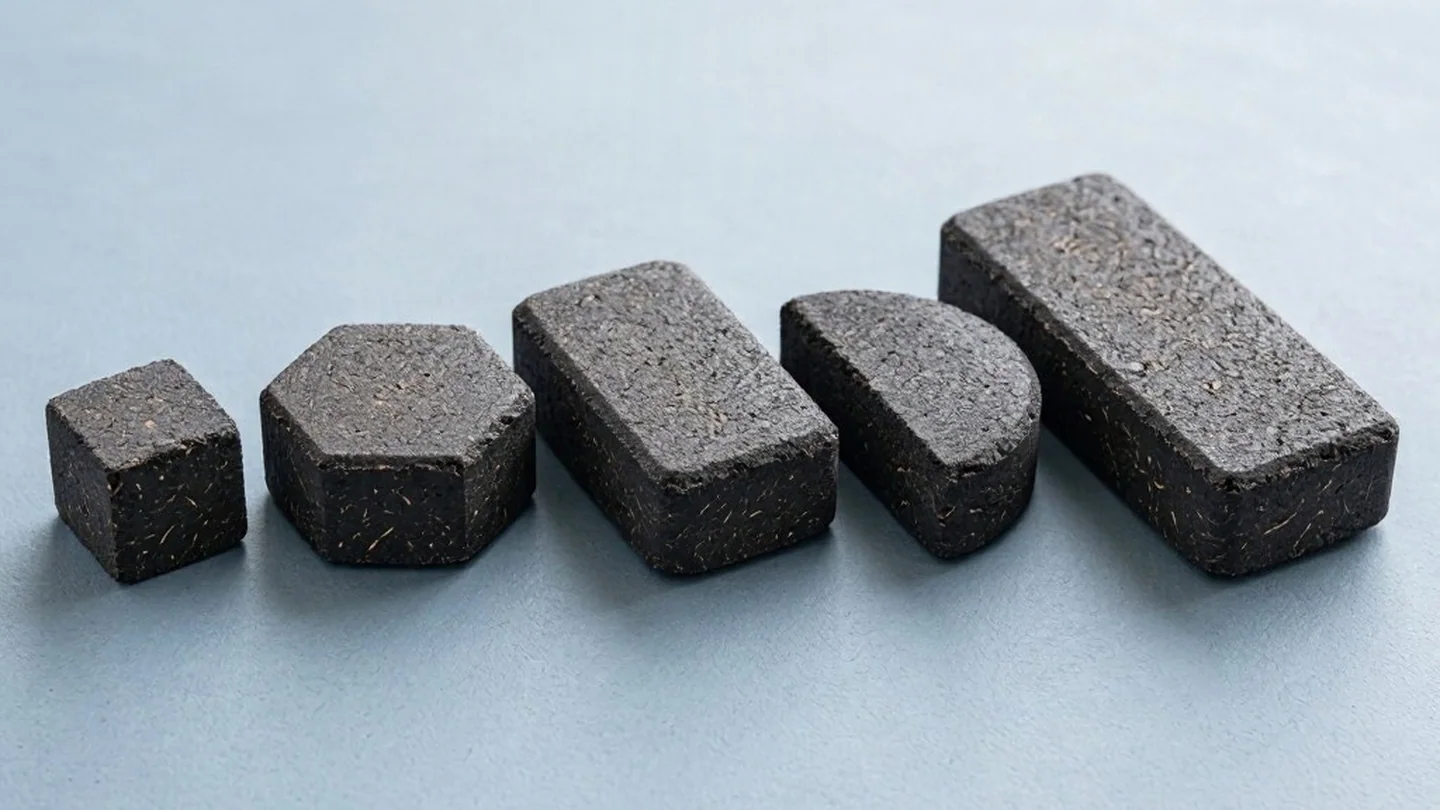
Hookah charcoal wholesale: what US distributors check before a container
American buyers search "hookah", not "shisha". Here are the four checks that decide a repeat order, the five shapes we can mould, and how many tonnes fit in one container.