Coconut charcoal vs wood charcoal: which to import
Coconut shell wins on ash and consistency in shisha and grill fuel, but the comparison only holds when both sides hand over a batch COA. Here is the checklist and the 2024 trade picture.
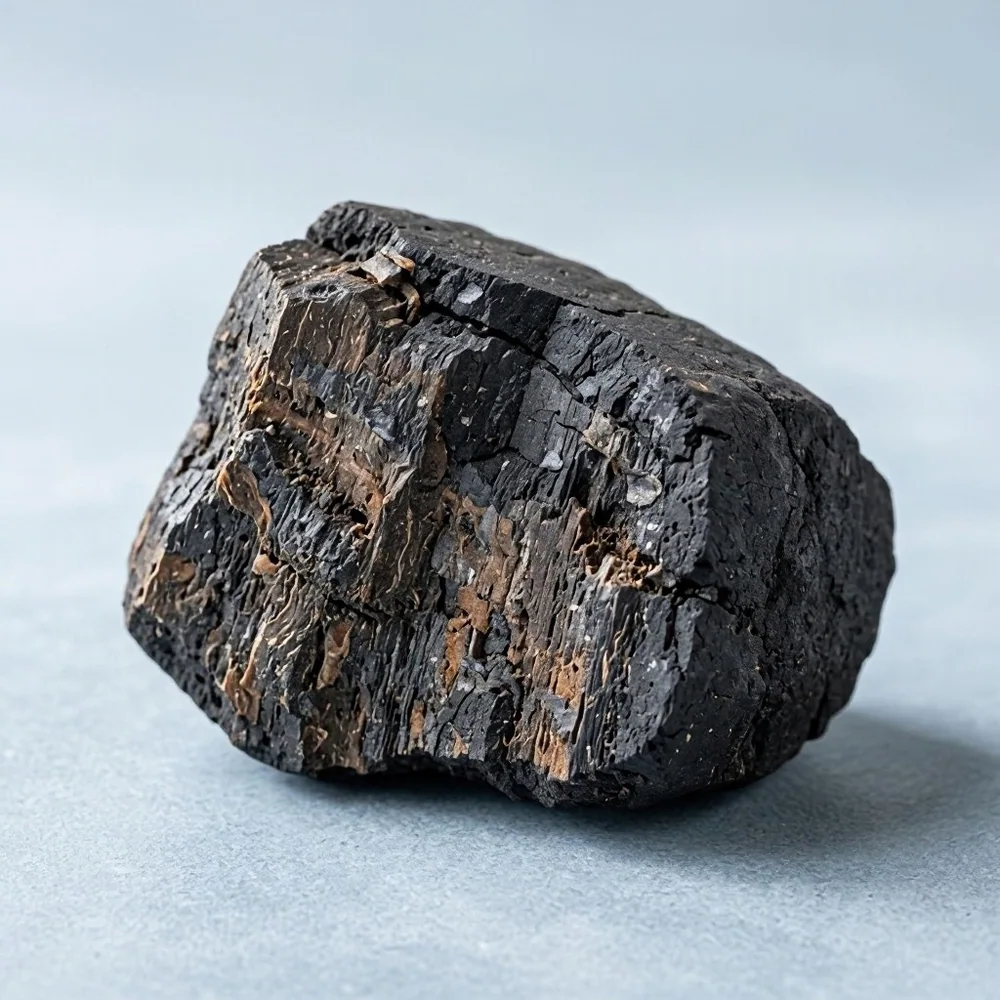
For shisha and barbecue fuel, coconut shell charcoal is generally the better import choice because it burns with lower ash and more predictable heat than typical hardwood charcoal. But "generally" is not a specification. The only comparison a buyer should act on is two batch COAs measured on the same basis — and we will not put a number on a competitor's product that we cannot verify.
What we can put on the table is our own documented shisha briquette: ash max 2.5 %, fixed carbon min 76 %, moisture max 6 %, calorific value min 7,000 kcal/kg, burning time min 2.5 hours, sulfur max 0.05 %, as received, SUCOFINDO, ASTM D1762. Ask any competing seller for the same seven fields before comparing prices.
The comparison checklist
| Field | Our documented coconut briquette | What to request from a wood charcoal seller |
|---|---|---|
| Ash content | max 2.5 % | Batch COA, same test basis |
| Fixed carbon | min 76 % | Batch COA, same test basis |
| Moisture | max 6 % | As-received figure, not dry basis |
| Calorific value | min 7,000 kcal/kg | Measured value with method |
| Burning time | min 2.5 hours | Test conditions stated |
| Ash colour | White, documented | Visual sample retained from the same lot |
| Sulfur | max 0.05 % | Batch COA |
The last two are the ones buyers forget. Ash colour decides whether a lounge customer sees grey dust in the bowl, and it is not the same thing as a low ash percentage. Sulfur matters for odour and for markets with tighter fuel rules.
What the trade data shows
Indonesia's Ministry of Trade reported coconut shell charcoal (HS 44022010) exports of USD 154.72 million in January–October 2024, about 11.67 % of the country's manufactured coconut product exports in that period. Globally, HS 4402 charcoal trade was around USD 1.7 billion and 3.3 million tonnes in 2024, with Indonesia the largest exporter by value and volume, and Saudi Arabia, China and Malaysia among the main destinations.
| Market signal | Figure | Source |
|---|---|---|
| Indonesia coconut shell charcoal exports, Jan–Oct 2024 | USD 154.72M | Ministry of Trade, Dec 2024 newsletter |
| Share of Indonesia's manufactured coconut exports | 11.67 % | Same source |
| Global HS 4402 trade, 2024 | ~USD 1.7B / 3.3 Mt | Trade-logistics summary citing OEC |
| Indonesia share of global charcoal exports, 2024 | Largest exporter | Same source |
These are market figures, not a promise about a specific lot. They explain why the category is competitive; they do not replace the COA.
Why shisha moved toward coconut shell
The shift was driven by the bowl, not by sustainability marketing. A shisha customer notices ash colour and the smell of the smoke. Coconut shell char, when carbonised and screened properly, gives a cleaner white ash and fewer sparks than mixed hardwood. That is why the Middle East and the US hookah market both ask about the same two numbers, even though they use different words for the product.
Our shisha briquette is available in five documented shapes, from cube to Kaloud, packed in 1 kg boxes and 10 kg cartons, loading 17 MT in a 20ft container or 25 MT in a 40ft high cube from Surabaya. The shape and pack choice is commercial; the ash and burn figures are what keep the customer.
Where lump charcoal fits
Lump is the base material rather than the finished shisha piece. Our coconut shell charcoal record contains only moisture (15 % as received, 3 % dry basis) and a minimum 18 MT loading in a 20ft container, from a supplier document that is still marked draft. It has no ash, fixed carbon or burning-time figure, and we will not borrow those from the briquette line.
If your buyer needs a lump grade with a full specification, treat that as an open requirement rather than an assumption. Ask us to obtain the missing three numbers before you commit to a container.
Documents and freight are part of the comparison
Charcoal travels as UN 1361, Class 4.2. A charcoal shipment needs a Dangerous Goods Declaration and MSDS; our documented shisha line carries nine documents in total. A seller quoting "general cargo" freight has left out a cost and a compliance step that will appear later.
Both coconut and wood charcoal are weight-limited in a container, so a bigger container does not scale the way it does for cocopeat. Our container loading guide sets out the arithmetic.
Making the decision
If you are buying for shisha or premium grill fuel, start with coconut shell and demand the seven-field comparison. If a wood charcoal seller returns a complete batch sheet on the same basis, compare on delivered cost per hour of burn rather than price per tonne.
See the shisha briquette specification or the BBQ line, or request a quotation with your target specification.
Sources
- Directorate General of Foreign Trade, Ministry of Trade — December 2024 newsletter.
- FreightAmigo — HS 4402 global trade and logistics guide, 2024–2025 data.
- Supplier offering letters 12/AGG/CHARCOAL/XI/2026 (briquette) and 03/AGG/CHARCOAL/IX/2026, marked draft (lump), as recorded in our product data.
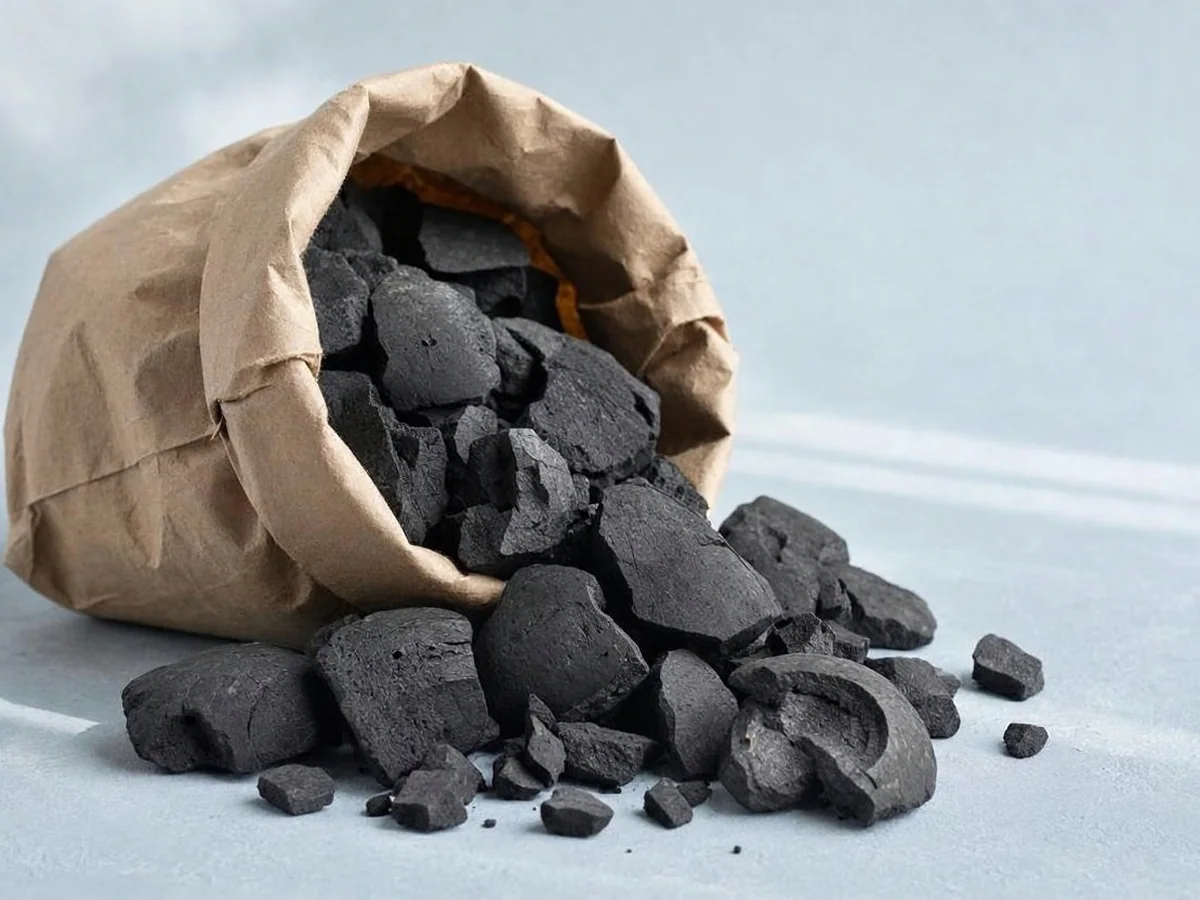
Coconut Shell Charcoal
Fixed carbon and ash decide the grade; sizing decides whether a hookah buyer can use it at all.
Spec sheet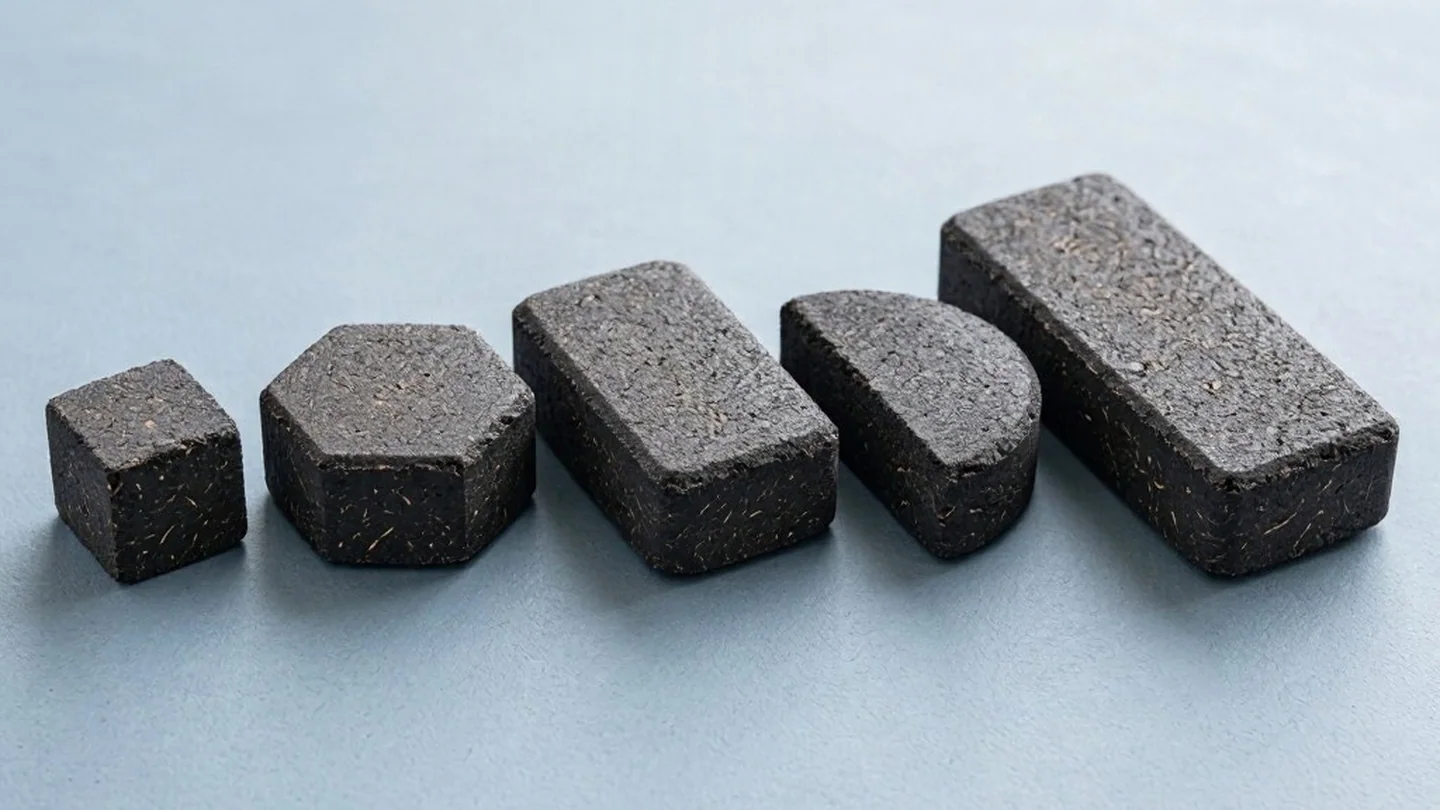
Coconut Shell Charcoal Briquette — Shisha
Ash colour, drop test and burning time decide it, the three things a distributor checks in a sample box.
Spec sheet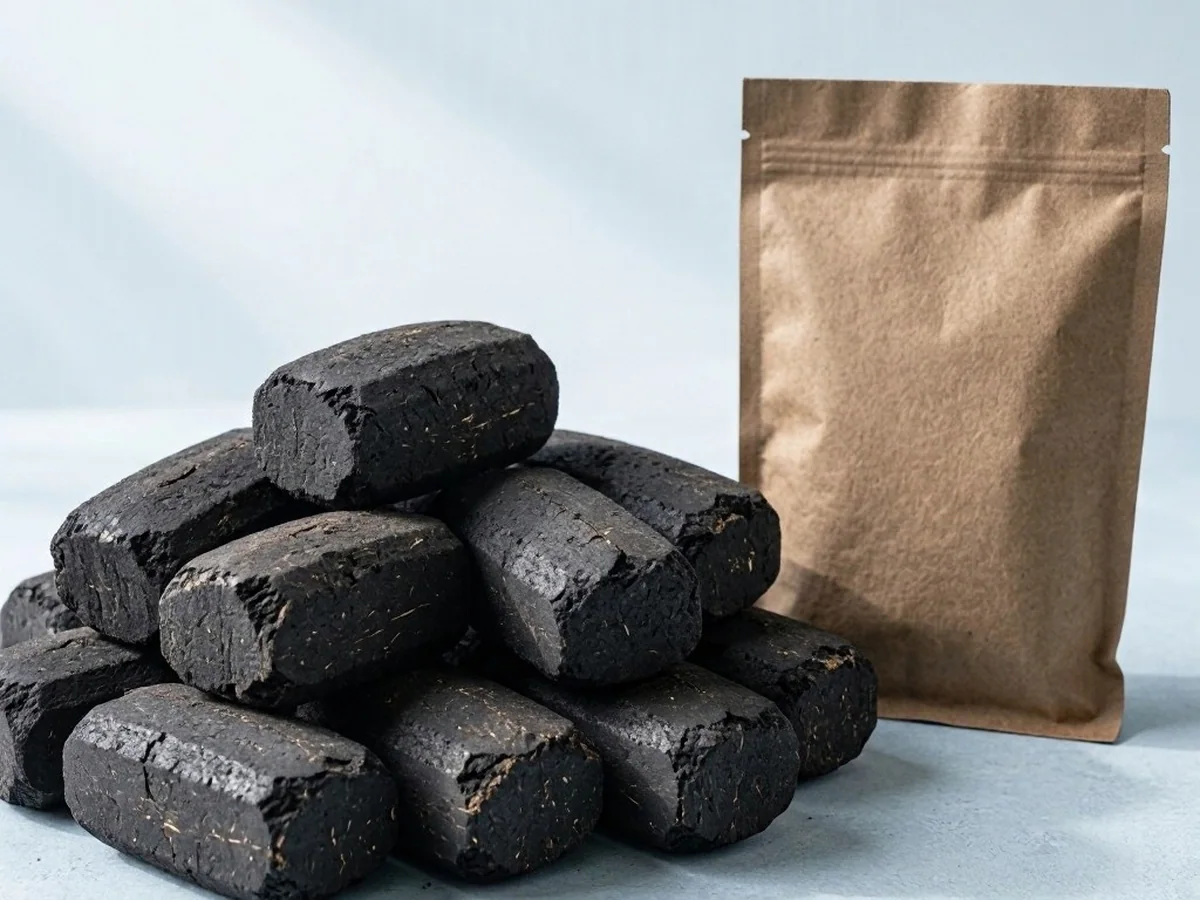
Coconut Shell Charcoal Briquette — BBQ
Burning time and ash decide it; shape decides how fast the grill lights.
Spec sheetHookah charcoal wholesale: what US distributors check before a container
American buyers search "hookah", not "shisha". Here are the four checks that decide a repeat order, the five shapes we can mould, and how many tonnes fit in one container.